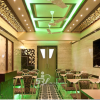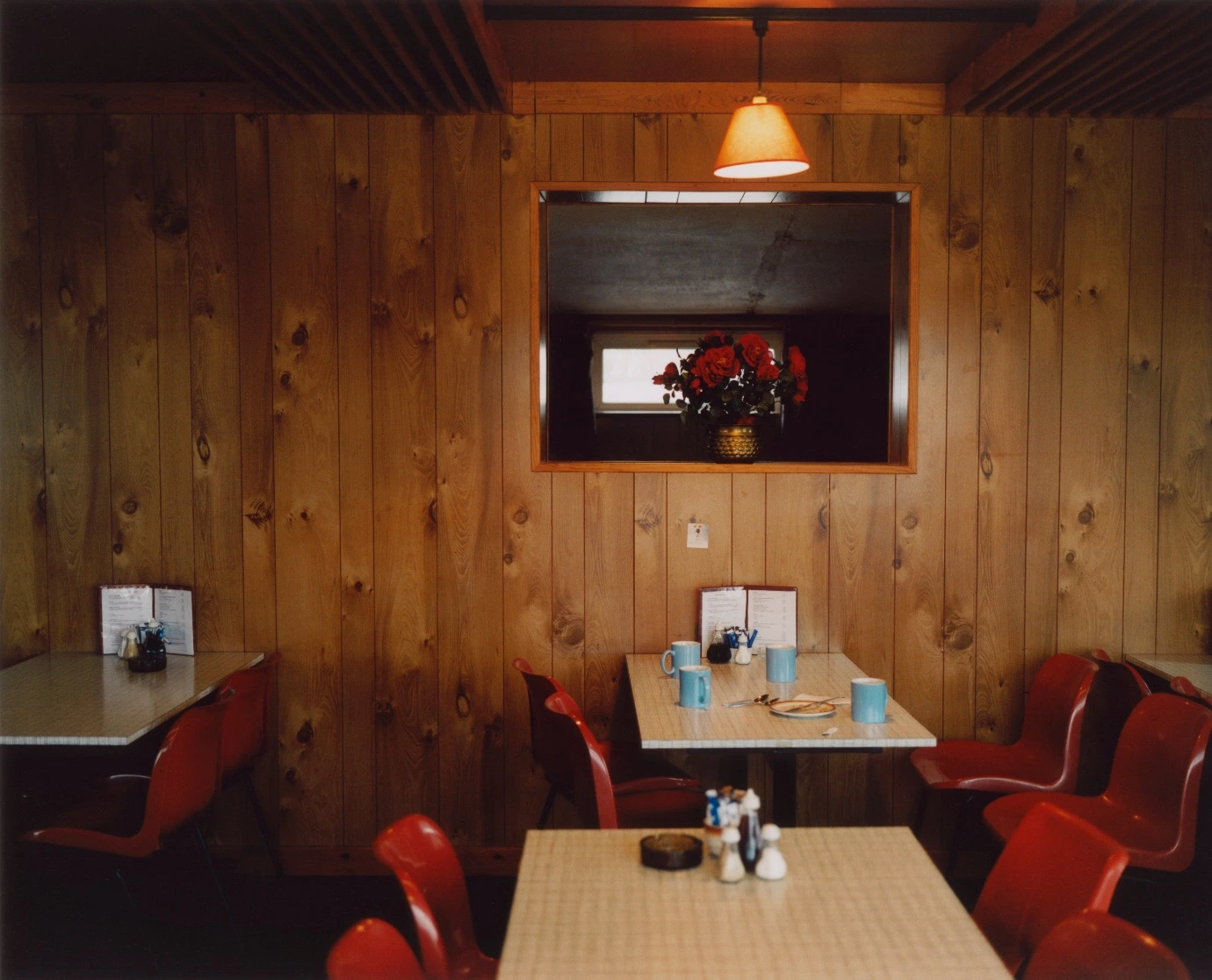
In the fiercely competitive food industry, the quality of your burger or coffee is only half the battle. The other, often-underestimated half, is the environment you create for your customers. For a quick-service or fast food restaurant interior design, the goal is unique: move people efficiently, make them feel comfortable enough to enjoy their meal, and encourage a quick turnover.
This guide will break down the three most critical components of effective fast food restaurant interior design: strategic layout, purposeful lighting, and psychological color schemes.
1. The Power of Layout: Engineered for Efficiency
A great fast-food space is a well-oiled machine. Unlike a fine-dining restaurant, which encourages lingering, the fast-food environment is designed for speed and volume.
The "Flow" Concept
The entire restaurant interior design must follow a clear, logical path. This is often called the "customer journey."
Seating Strategies for Turnover
Your seating arrangement is where layout directly influences revenue.
2. Strategic Lighting: Setting the Pace and Highlighting the Food
Lighting in fast food restaurant interior design is more than just illumination; it's a pacing mechanism and a marketing tool.
Bright and Bold: The Fast-Paced Approach
Unlike the dim, intimate lighting of fine dining, fast-food needs to be bright.
A poorly lit restaurant can look dirty, which is the antithesis of the trust you want to build with a customer seeking a quick, reliable meal. For a modern hotel interior design with a quick-service element, the lighting must transition smoothly from the lobby to the fast-food section, perhaps slightly brighter to distinguish it as a high-activity zone.
3. Color Psychology: Driving Appetite and Action
Color is perhaps the most direct and subconscious tool in fast food restaurant interior design.
Ultimately, your fast food restaurant interior design should tell a story of speed, cleanliness, and deliciousness. By strategically engineering the layout for flow, using bright lighting to set a quick pace, and leveraging warm colors to drive appetite, you create an environment that maximizes both the customer experience and your bottom line.